

Why Casino + Sportsbook Are Merging and What It Means for Game Development
A New Product Model, Not Just a Feature Upgrade
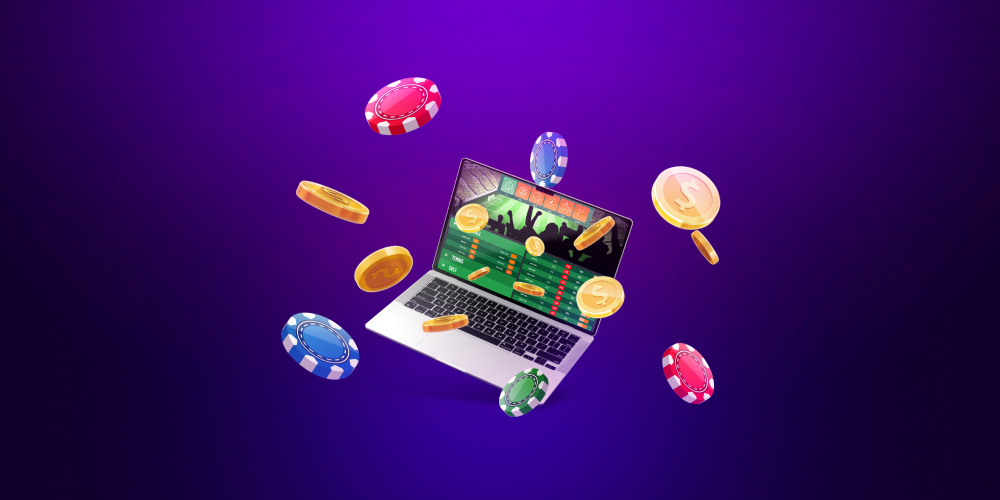
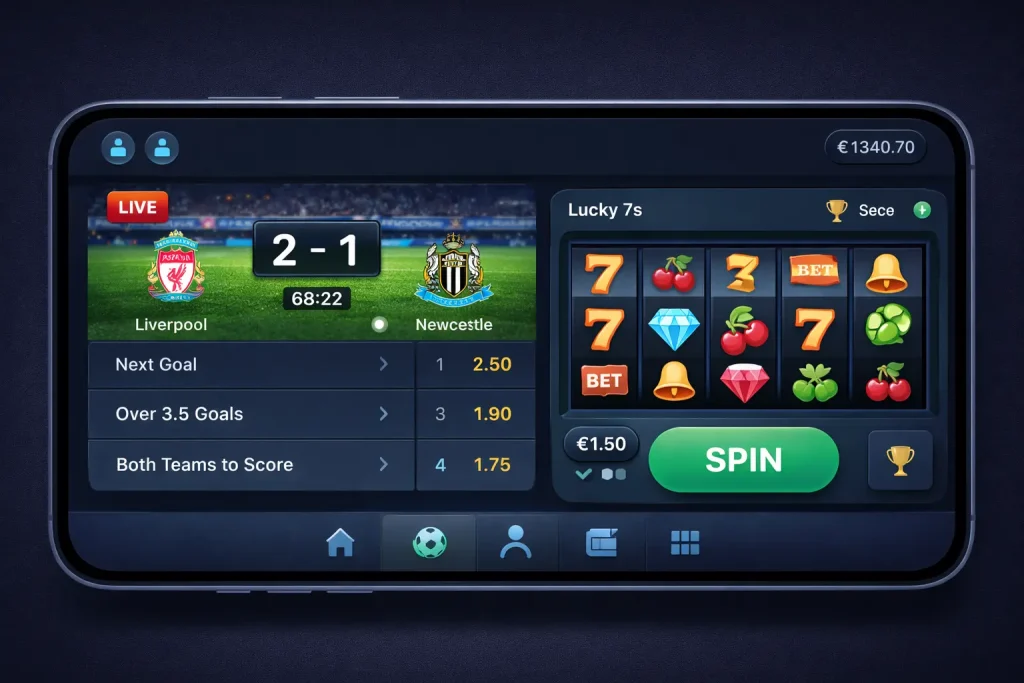
The iGaming industry is transitioning from isolated product verticals to unified digital ecosystems. Operators now develop platforms where casino and sportsbook experiences coexist and interact.
This shift goes beyond convenience, fundamentally transforming the structure, monetization, and user experience of digital gambling products.
Users no longer engage in a single activity; they interact with environments that sustain attention across multiple formats. Betting sessions may transition into gameplay and back.
This continuous interaction characterizes the new generation of iGaming platforms.
Rethinking the Player Experience
Casinos and sportsbooks have always worked differently.
Casino gameplay is continuous. It’s built for immersion, repetition, and longer sessions.
Sports betting is event-driven. It revolves around timing, anticipation, and real-world outcomes.
Now these two models are blending into one journey.
Instead of switching between apps or leaving the platform, users stay within a single flow where different formats naturally follow one another. That alone has a huge impact on retention.
As Denys Kliuch, CEO of Whimsy Games, puts it:
“Players don’t think in verticals anymore. They don’t care if they’re in casino or sportsbook. They just expect the experience to continue without interruption.”
The goal is no longer to maximize engagement with a single feature. It’s to extend engagement across the whole ecosystem.
Why Operators Are Prioritizing Convergence
The business rationale for convergence is clear.
First, convergence stabilizes engagement: sports betting generates traffic spikes during events, while casino gameplay sustains activity between events.
Second, convergence enhances retention by sustaining user activity through alternative offerings when one activity declines, reducing the need for re-acquisition.
Third, convergence improves monetization; cross-product incentives enable operators to influence user behavior more effectively than isolated reward systems.
Market growth further supports this strategic approach. The gambling market reached $78.66 billion in 2024 and is expected to surpass $153 billion by 2030.
Simultaneously, mobile usage dominates user behavior, with approximately 80% of players accessing platforms via smartphones.
Mobile environments facilitate seamless switching between products, directly supporting hybrid platform models.
From what we see in real projects at Whimsy Games, operators are no longer asking for “just a slot” or “just a feature.” They’re asking how a game fits into a larger engagement system.
What Convergence Means for Game Development
The transition to hybrid platforms fundamentally alters game design principles.
Casino games are no longer standalone products. They function within broader systems where timing, context, and user state matter. Developers must consider game functionality within multi-product environments, not just mechanics.
Designing for Context, Not Isolation
Traditional development optimizes games for extended engagement sessions.
In hybrid ecosystems, sessions are shorter and more fragmented, with players joining games between live bets or during pauses in sports events.
This shift alters development priorities:
- Rapid onboarding becomes essential.
- Initial engagement must occur within seconds.
- Game loops must handle interruptions smoothly to avoid user frustration.
“We see more and more cases where a player spends 30–60 seconds in a game between bets,” – says Denys Kliuch, CEO of The Whimsy Games. – “If your game needs five minutes to ‘warm up,’ it simply won’t work in a hybrid environment”.
The focus shifts from depth alone toward accessibility and flexibility.

Financial Systems as Core Dependencies
Hybrid platforms depend on shared financial infrastructure.
Games must interact with:
- A unified balance across products
- Real-time transaction updates
- Cross-platform bonus logic
This requires tighter backend integration than traditional casino development, where systems are usually isolated.
Promotions as System-Level Features
In hybrid environments, promotions operate at the platform level, affecting multiple products simultaneously. Players may earn in-game rewards from betting activity or unlock features triggered by external events. Therefore, games must support:
- External triggers
- Dynamic reward configurations
- Flexible integration with campaign systems
Data as a Design Input
A significant change involves the enhanced role of data.
Hybrid platforms generate more complex behavioral signals because they combine betting and gameplay activity.
This allows operators to:
- Segment users more precisely
- Adjust content dynamically
- Personalize recommendations in real time
Games must continuously send and receive data, integrating into a live system rather than remaining static content.
New Expectations in Game Development Briefs
The structure of game development briefs is evolving alongside platform strategy.
Previously, briefs focused mainly on gameplay, visuals, and mathematical models.
Now, they also include ecosystem integration requirements.
Ecosystem Role Definition
Each game is expected to serve a purpose beyond direct monetization.
Briefs now describe:
- When the game should be played in the user journey
- How it supports retention cycles
- Its relationship with sportsbook activity
This adds a strategic layer to development.
Integration Requirements
Technical expectations are becoming more complex.
Developers must align with platform systems such as:
- wallet and transaction services
- bonus engines
- event tracking frameworks
- compliance tools
Integration is essential to delivery, not optional.
Continuous Post-Launch Evolution
Games are no longer considered finished at release.
They are expected to evolve through:
- live campaigns linked to sports events
- ongoing optimization based on user data
- feature updates driven by performance metrics
Development is now an ongoing process, not a one-time cycle.

Challenges Introduced by Hybrid Platforms
Convergence creates opportunities but also increases complexity.
Maintaining a clear user interface becomes harder when multiple product types coexist.
Balancing gameplay pacing across different formats requires careful design decisions.
Regulatory requirements expand, as both betting and gaming rules must be respected simultaneously.
System performance must handle spikes during high-traffic events.
Studios must adapt workflows and technical skills to meet these challenges effectively.
The Strategic Shift for Game Studios
The transition toward hybrid platforms is changing the role of game development studios.
Operators now seek partners who understand platform ecosystems, not just content providers.
Studios aligning game design with broader product strategy gain a competitive edge.
This includes:
- understanding user behavior across verticals
- building flexible and scalable systems
- supporting live operations and data-driven decisions
Hybrid thinking is now a core requirement in iGaming development.
Conclusion
Casino and sportsbook convergence represents a shift in how digital gambling platforms are designed and operated.
Operators are building interconnected environments that maximize engagement across multiple formats instead of isolated products.
For developers, this changes the approach to game creation. Design, architecture, and production must adapt to fit larger ecosystems. The studios that understand this early will be the ones shaping what comes next – and this is exactly the direction we’re actively working in at Whimsy Games.
As this model grows, successful studios will understand both how to build games and how they function within connected platforms.